
TECHNOLOGY AND ADVANCE THERAPEUTICS
Robotics in Rehabilitation
Best Physiotherapist in Delhi
Discover the role of robotics in rehabilitation and how it enhances patient recovery and mobility. Explore the advantages of robotic devices, their applications in gait and upper limb rehabilitation, and their potential to revolutionize cognitive rehabilitation. Learn how precision, consistency, and personalized feedback contribute to improved outcomes in the rehabilitation process.
Enhancing Recovery and Mobility
In recent years, the integration of robotics in the field of rehabilitation has marked a significant advancement in improving patient outcomes and the overall recovery process. Robotic devices, designed to assist patients in regaining their mobility and strength, have found applications in various rehabilitation settings, including physical therapy clinics, hospitals, and even within the comfort of patients’ homes. This article explores the role of robotics in rehabilitation, its advantages, and the impact it has on patient care.
The Evolution of Robotic Rehabilitation
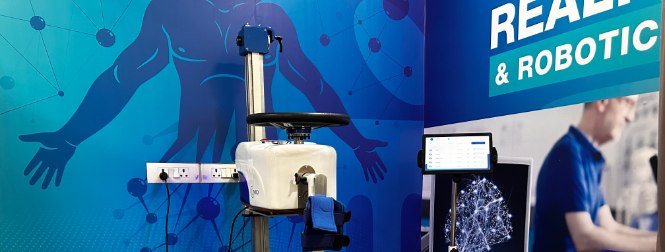
The utilization of robotic devices in the context of rehabilitation has evolved considerably. These devices are specifically engineered to aid patients in performing a wide range of exercises and movements, including walking, reaching, and grasping objects. The unique aspect of these robotic systems is their adaptability, as they can be programmed to cater to the individualized needs of patients. For instance, they can provide support to individuals during walking or dynamically adjust resistance levels during arm exercises.
Advantages of Robotic Rehabilitation
Robotic rehabilitation presents several key advantages that contribute to its growing prominence in the healthcare field:
1. Precision and Consistency
One of the primary advantages of robotic devices is their ability to deliver consistent and precise assistance to patients. Unlike human therapists, robots do not experience fatigue, ensuring that each movement is executed with the same level of accuracy throughout the rehabilitation process. This consistency is particularly crucial for patients who require repetitive exercises to regain their motor functions.
2. Progress Monitoring and Adaptation
Robotic systems are equipped with the capability to monitor patients’ progress continuously. By collecting data related to patients’ movements, response times, and accuracy, these devices provide valuable insights that guide healthcare professionals in assessing and adjusting treatment plans. As a result, the rehabilitation process becomes more efficient and tailored to individual needs.
3. Personalized Feedback
Incorporating robotic devices into rehabilitation introduces a new dimension of personalized feedback. For example, a robotic device assisting with arm exercises can offer real-time feedback on a patient’s range of motion, speed, and precision. This feedback empowers patients to make immediate adjustments, ultimately leading to improved performance and outcomes.
Applications of Robotics in Rehabilitation
The applications of robotics in rehabilitation are diverse and continue to expand. Here are some key areas where robotic devices have made a significant impact:
1. Gait Rehabilitation
Patients with mobility impairments due to neurological or orthopedic conditions often require gait training. Robotic systems facilitate gait rehabilitation by providing partial body weight support, guiding leg movements, and offering stability. This enables patients to practice walking and improve their balance and coordination.
2. Upper Limb Rehabilitation
Robotic devices have been instrumental in upper limb rehabilitation for patients with conditions affecting arm and hand function. These devices can support a wide range of arm movements, from simple tasks like reaching to complex activities that require precision and coordination.
3. Cognitive Rehabilitation
Some robotic systems are designed to aid cognitive rehabilitation. Patients with cognitive impairments stemming from neurological injuries or conditions can engage in exercises that target attention, memory, problem-solving skills, and overall cognitive processing. The immersive nature of these exercises enhances motivation and engagement, thereby contributing to cognitive recovery.
The Future of Robotic Rehabilitation
As technology continues to advance, the future of robotic rehabilitation holds promise. Innovations in the field may include more compact and portable devices, making in-home rehabilitation programs more accessible. Furthermore, advancements in artificial intelligence (AI) will enhance the adaptability and intelligence of robotic systems, allowing for more personalized and responsive patient experiences.
In conclusion, the integration of robotics in rehabilitation represents a transformative shift in the way patients regain their mobility, strength, and cognitive abilities. With its precision, adaptability, and real-time feedback, robotic rehabilitation has the potential to significantly enhance the effectiveness of rehabilitation programs. As this technology continues to evolve, it offers new hope for individuals recovering from neurological or orthopedic conditions, ultimately helping them regain independence and improve their quality of life.
Cutting-Edge Technology
Our commitment to using the best technology extends to various aspects of physiotherapy:
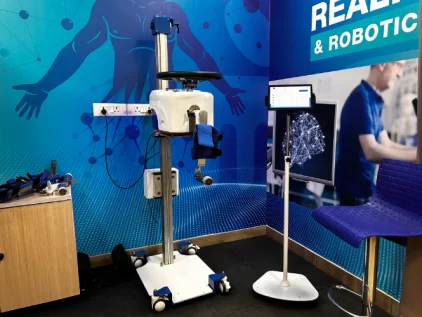
- Robotic Assistance: We employ robotics for gait training, aiding patients with mobility impairments. These devices facilitate improved motor control and muscle activation.
- Electrotherapy: Techniques like TENS, IFT, and Ultrasound Therapy are used to target pain relief and accelerate tissue healing.
- Virtual Reality (VR): We utilize VR and interactive gaming for engaging and enjoyable rehabilitation, increasing patient motivation and compliance with treatment.
Frequently Asked Questions
Reach out to us if you have further Questions - We're here to help!
Q1: What is robotics in rehabilitation?
A1: Robotics in rehabilitation refers to the use of robotic devices to assist and enhance the recovery process of individuals with physical or cognitive impairments. These devices can aid in various aspects of rehabilitation, including mobility, strength training, and cognitive exercises.
Q2: How do robotic devices assist in rehabilitation?
A2: Robotic devices assist in rehabilitation by providing consistent and precise support to patients during exercises and movements. They can be programmed to adapt to the patient’s needs, offering tailored assistance to improve mobility and functional abilities.
Q3: What are the applications of robotic devices in gait rehabilitation?
A3: In gait rehabilitation, robotic devices can support individuals with walking impairments. They help improve balance, walking speed, and endurance by partially supporting the patient’s body weight while they walk on a treadmill or overground surface.
Q4: How can robotic devices aid in upper limb rehabilitation?
A4: Robotic devices can assist in upper limb rehabilitation by providing support during arm exercises. They offer feedback on a patient’s range of motion, speed, and accuracy, helping them enhance their movements and achieve better outcomes.
Q5: What is cognitive rehabilitation with robotics?
A5: Cognitive rehabilitation with robotics involves using robotic devices to aid individuals in cognitive exercises and activities. These devices can provide personalized feedback to help patients improve their cognitive functions, such as memory, problem-solving, and attention.
Q6: How do robotic devices enhance the rehabilitation process compared to human therapists? A6: Robotic devices offer consistent and precise assistance to patients, ensuring that exercises are performed accurately. They can also monitor a patient’s progress and adjust assistance levels, making rehabilitation more efficient and effective.
Q7: Are robotic rehabilitation devices suitable for all patients?
A7: The suitability of robotic rehabilitation devices depends on the individual patient’s condition and needs. These devices are often used for various neurological and orthopedic conditions, but their appropriateness is determined on a case-by-case basis.
Q8: Can robotic rehabilitation be done at home, or is it primarily clinic-based?
A8: Robotic rehabilitation can be conducted in a variety of settings, including clinics, hospitals, and even in patients’ homes. The choice of setting depends on the patient’s condition and the availability of robotic devices.
Q9: Are there any potential disadvantages or limitations of robotic rehabilitation devices?
A9: Some potential limitations include cost, accessibility, and the need for trained professionals to oversee the use of these devices. It’s essential to assess each patient’s unique situation and determine whether robotic rehabilitation is the right fit.
Q10: How can I find a rehabilitation center that offers robotic rehabilitation services?
A10: You can search for rehabilitation centers that provide robotic rehabilitation services in your area through online directories, physician recommendations, or by contacting local healthcare providers. It’s advisable to consult with a healthcare professional to determine the best rehabilitation approach for your specific needs.
Have Questions or Need Assistance?
Don’t hesitate to reach out to us:
Book Appointment with Experts
- Call/WhatsApp: +9818911195
- Book Appointment with Experts
We are here to lend our support on your journey toward improved movement and overall well-being.
See all Blogs & Articles
See all Technology
Note: Content provided here is for informational purposes only and is not a substitute for professional medical advice or diagnosis. If you believe you are experiencing pain or any other health-related issue, it is important to seek the advice of qualified healthcare professionals for a proper evaluation and treatment plan.
See all How it Works.