
WHAT WE TREAT
Parkinson’s Disease
Best Physiotherapist in Delhi
Discover the ins and outs of Parkinsons disease, its symptoms, causes, and treatment options. Learn how to enhance your quality of life while managing Parkinson’s.
Parkinson’s Disease
Parkinsons disease is a neurodegenerative disorder that affects millions of people worldwide. While it presents unique challenges, understanding the condition is the first step towards effectively managing it. Here we will explore Parkinson’s disease, its symptoms, causes, and available treatment options, as well as strategies for improving your quality of life while living with Parkinson’s.
Understanding Parkinsons Disease
Parkinsons disease is a progressive neurological disorder that primarily impacts movement. It occurs due to the gradual degeneration of dopamine-producing neurons in the brain. Dopamine is a crucial neurotransmitter responsible for regulating muscle movement and coordination.
Symptoms of Parkinsons Disease
Parkinsons Disease manifests through various symptoms, which may include:
- Tremors or shaking of the hands, arms, legs, or face
- Slowness of movement (bradykinesia)
- Muscle stiffness (rigidity)
- Postural instability
- Balance issues
- Reduced arm swing while walking
- Changes in handwriting (micrographia)
- Soft, slurred speech
- Impaired sense of smell (anosmia)
- Freezing of gait
- Non-motor symptoms like depression, anxiety, and sleep disturbances
Symptoms of Parkinsons Disease can vary from person to person, and their severity tends to increase over time.
Causes of Parkinsons Disease
The exact causes are not entirely understood, but a combination of genetic and environmental factors is believed to play a role. Specific genetic mutations have been identified in some cases, and exposure to certain toxins may also contribute.
Parkinsons Disease Treatment Options
While there is no cure, various treatments are available to manage symptoms and improve quality of life:
- Medications: Dopamine replacement and other drugs help alleviate motor symptoms.
- Deep Brain Stimulation (DBS): A surgical procedure that uses implanted electrodes to regulate abnormal brain impulses.
- Physiotherapy: Supports mobility, improves gait, and manages muscle stiffness.
- Occupational Therapy: Helps patients perform daily activities more efficiently.
- Speech Therapy: Addresses speech and swallowing difficulties.
- Exercise: Enhances muscle strength, balance, and flexibility.
- Supportive Therapies: Counseling, support groups, and mental health care for patients and families.
Enhancing Quality of Life
While Parkinsons Disease is a chronic condition, several strategies can enhance day-to-day life:
- Stay Active: Regular exercise supports physical well-being.
- Healthy Diet: A balanced diet rich in fruits, vegetables, and whole grains is vital.
- Medication Management: Following prescribed schedules ensures better symptom control.
- Stress Management: Techniques like mindfulness and relaxation exercises help reduce stress.
- Sleep Hygiene: A consistent sleep routine improves restfulness.
- Assistive Devices: Tools like walking aids and grab bars support daily activities.
- Emotional Support: Build a strong network of friends, family, and support groups.
Physiotherapy for Parkinsons Disease
Physiotherapy plays a key role in managing symptoms of Parkinsons Disease by focusing on mobility, balance, flexibility, and muscle strength. This intervention helps enhance independence and overall well-being.
Benefits of Physiotherapy in Parkinsons Disease
- Improved Mobility: Exercises to enhance walking patterns and reduce freezing of gait.
- Balance Training: Activities to reduce postural instability and fall risk.
- Strength Building: Resistance training to counter muscle weakness and stiffness.
- Posture Improvement: Techniques to correct and maintain proper alignment.
- Stress Reduction: Physical activity releases endorphins to improve mood.
Recommended Exercises for Parkinsons Disease
Physiotherapy plans are tailored to individual needs, often including:
- Aerobic Exercise: Walking, cycling, or swimming for cardiovascular and cognitive benefits.
- Resistance Training: Strengthening muscles with weights or resistance bands.
- Stretching: Enhancing flexibility and reducing stiffness.
- Balance Exercises: Activities like heel-to-toe walking to improve postural control.
- Hydrotherapy: Warm-water exercises to relieve stiffness and improve mobility.
Strategies for Daily Life
Incorporate these tips into your routine:
- Relaxation Techniques: Practices like meditation to manage stress.
- Medication Adherence: Follow schedules strictly for effective symptom management.
- Assistive Tools: Use aids for better safety and efficiency in daily tasks.
- Support Networks: Connect with loved ones or join support groups for encouragement.
Consistency and Patience
Managing Parkinsons through physiotherapy requires dedication. Progress may be gradual, but with consistent effort, the benefits are significant, improving mobility, independence, and overall well-being.
Physiotherapy is a vital component in the multidisciplinary approach to Parkinsons management. Alongside medical treatments and lifestyle strategies, it empowers individuals to lead fulfilling lives. With the right support and determination, living well with Parkinsons is achievable.
Cutting-Edge Technology
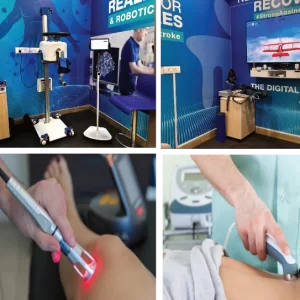
Our commitment to using the best technology extends to various aspects of physiotherapy:
- Robotic Assistance: We employ robotics for gait training, aiding patients with mobility impairments. These devices facilitate improved motor control and muscle activation.
- Electrotherapy: Techniques like TENS, IFT, and Ultrasound Therapy are used to target pain relief and accelerate tissue healing.
- Virtual Reality (VR): We utilize VR and interactive gaming for engaging and enjoyable rehabilitation, increasing patient motivation and compliance with treatment.
Frequently Asked Questions
Reach out to us if you have further Questions - We're here to help!
FAQs (Frequently Asked Questions) – Physiotherapy for Parkinson’s Disease:
Q1: Can physiotherapy cure Parkinson’s disease?
A1: No, physiotherapy cannot cure Parkinson’s disease, but it can significantly help manage its symptoms and improve the patient’s quality of life.
Q2: How often should I do physiotherapy exercises for Parkinson’s disease?
A2: The frequency of physiotherapy exercises varies depending on the individual’s needs and goals. Typically, regular exercises are recommended, with supervision and adjustments as needed.
Q3: Can I do physiotherapy exercises at home, or should I always see a physiotherapist?
A3: Physiotherapy exercises can be performed at home as part of a prescribed program. However, it’s essential to have an initial assessment by a physiotherapist to ensure that exercises are tailored to your specific needs.
Q4: Are there specific physiotherapy techniques designed for advanced stages of Parkinson’s disease? A4: Yes, physiotherapists can adjust techniques and exercises to accommodate the specific needs and challenges of advanced Parkinson’s disease, ensuring safety and effectiveness.
Q5: How long does it take to see improvements with physiotherapy for Parkinson’s disease?
A5: The time to see improvements varies among individuals. Some may experience positive changes within a few weeks, while others may take longer. Patience and consistency are key to achieving the best results.
FAQs (Frequently Asked Questions) – Living with Parkinson’s Disease:
Q1: Is Parkinson’s disease preventable?
A1: Currently, there is no known way to prevent Parkinson’s disease. However, some lifestyle factors, such as regular exercise and a balanced diet, may help reduce the risk.
Q2: Can people with Parkinson’s disease lead a normal life?
A2: While Parkinson’s presents challenges, many individuals continue to lead active, fulfilling lives. Proper treatment, exercise, and support can help maintain a good quality of life.
Q3: Is Parkinson’s disease hereditary?
A3: While genetics can play a role, most cases of Parkinson’s disease are not directly inherited. A combination of genetic and environmental factors likely contributes to its development.
Q4: What can I do to support a loved one with Parkinson’s disease?
A4: Providing emotional support, helping with daily tasks, and encouraging them to adhere to their treatment plan are valuable ways to support a loved one with Parkinson’s.
Q5: Are there clinical trials or research studies for Parkinson’s disease treatment?
A5: Yes, many research studies and clinical trials are ongoing to develop new treatments and improve the understanding of Parkinson’s disease. Participating in these studies may provide access to advanced therapies.
Have Questions or Need Assistance?
Don’t hesitate to reach out to us:
Book Appointment with Experts
- Call/WhatsApp: +9818911195
- Book Appointment with Experts
We are here to lend our support on your journey toward improved movement and overall well-being.
See all Blogs & Articles
See all Conditions we Treat
Note: Content provided here is for informational purposes only and is not a substitute for professional medical advice or diagnosis. If you believe you are experiencing pain or any other health-related issue, it is important to seek the advice of qualified healthcare professionals for a proper evaluation and treatment plan.
See all How it Works.