
Kinesiotaping in Physiotherapy: The Tape that Heals
In the world of physiotherapy, one innovative method has been making waves for its versatility and effectiveness in aiding the healing process – Kinesiotaping. This therapy, often referred to as “Kinesio tape” or simply “KT tape,” has gained popularity for its ability to provide support, reduce pain, and enhance the body’s natural healing mechanisms.
Unveiling the Power of Kinesiotaping in Physiotherapy
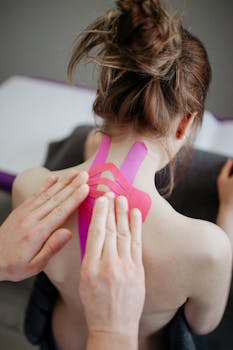
Kinesiotaping is a technique that involves the application of a specialized elastic tape to various areas of the body. This unique tape is designed to mimic the elasticity of human skin, allowing it to provide support without restricting movement. Its applications are diverse, and it can be used in various physiotherapy settings to address a range of conditions.
The Essence of Kinesiotaping in Physiotherapy
At the core of Kinesiotaping is the belief that the body possesses inherent healing abilities, and this tape acts as a facilitator. It provides support to injured or weakened muscles and joints while also improving circulation, reducing pain, and promoting lymphatic drainage.
How Kinesiotaping in Physiotherapy Works: A Multifaceted Approach
Kinesiotaping operates on several key principles, each contributing to its overall efficacy:
- Mechanical Support: Kinesiotape provides mechanical support to injured or weakened muscles and joints. This support can help reduce the load on the affected area, allowing it to heal and regain stability.
- Pain Reduction: The tape’s application can help reduce pain and inflammation by providing gentle compression to the affected area. This compression aids in reducing swelling and improving blood flow, essential for the healing process.
- Proprioception Enhancement: Kinesiotape can enhance proprioception, the body’s ability to sense the position and movement of joints and muscles. Improved proprioception results in better movement control and a reduced risk of further injury.
- Muscle Facilitation or Inhibition: Kinesiotaping can be utilized to either facilitate or inhibit muscle activity, depending on the desired effect. It can be used to support weak muscles or restrict overactive ones.
Versatility of Kinesiotaping in Physiotherapy
Kinesiotaping finds applications in a wide range of physiotherapy scenarios:
- Injury Prevention: Kinesiotaping in Physiotherapy used to prevent injuries by providing additional support to muscles and joints during sports or physical activities. This proactive approach can help athletes and enthusiasts avoid unnecessary strain.
- Rehabilitation: In rehabilitation programs, Kinesiotaping supports injured muscles and joints, aids in pain reduction, and promotes improved movement control. It plays a vital role in the recovery process.
- Posture and Alignment: Kinesiotaping in Physiotherapy can be used to address posture issues and improve alignment. Individuals with poor posture or spinal misalignment can benefit from its corrective applications.
- Performance Enhancement: Athletes, from Olympians to weekend warriors, leverage Kinesiotape to enhance their performance. It contributes to better movement control, reduced muscle fatigue, and heightened proprioception, all of which are essential for peak performance.
FAQs:
Q1. Is Kinesiotaping safe for all age groups?
- A1: Kinesiotaping in Physiotherapyis generally safe for people of all age groups, from children to seniors. It is non-invasive and well-tolerated.
Q2. How long can Kinesiotape be worn?
- A2: The duration of Kinesiotape application can vary based on the individual and the condition being treated. Your physiotherapist will guide you on how long to wear it.
Q3. Can Kinesiotape be used for chronic conditions?
- A3: Yes, Kinesiotaping in Physiotherapycan be used in the management of chronic conditions to provide ongoing support and pain relief.
Q4. Are there any contraindications for Kinesiotaping?
- A4: Individuals with certain skin conditions, allergies to adhesive materials, or open wounds in the application area should consult with a healthcare professional before using Kinesiotape.
Q5. Does Kinesiotaping replace other physiotherapy techniques?
- A5: Kinesiotaping is often used in conjunction with other physiotherapy techniques. It complements and enhances the overall treatment plan.
Unlocking the Potential of Kinesiotaping
Kinesiotaping, with its gentle yet potent approach, has become a valuable tool in the world of physiotherapy. It serves as a beacon of hope for those seeking a non-invasive, supportive, and effective method of accelerating the healing process. If you’re on a journey to pain relief, enhanced performance, and a speedier recovery, Kinesiotaping could be the answer you’ve been searching for.
Have Questions or Need Assistance?
Don’t hesitate to reach out to us:
Book Appointment with Experts
- Call/WhatsApp: +9818911195
- Book Appointment with Experts
We are here to lend our support on your journey toward improved movement and overall well-being.
See all Blogs & Articles
See all Conditions we Treat
Note: Content provided here is for informational purposes only and is not a substitute for professional medical advice or diagnosis. If you believe you are experiencing pain or any other health-related issue, it is important to seek the advice of qualified healthcare professionals for a proper evaluation and treatment plan.
See all How it Works.